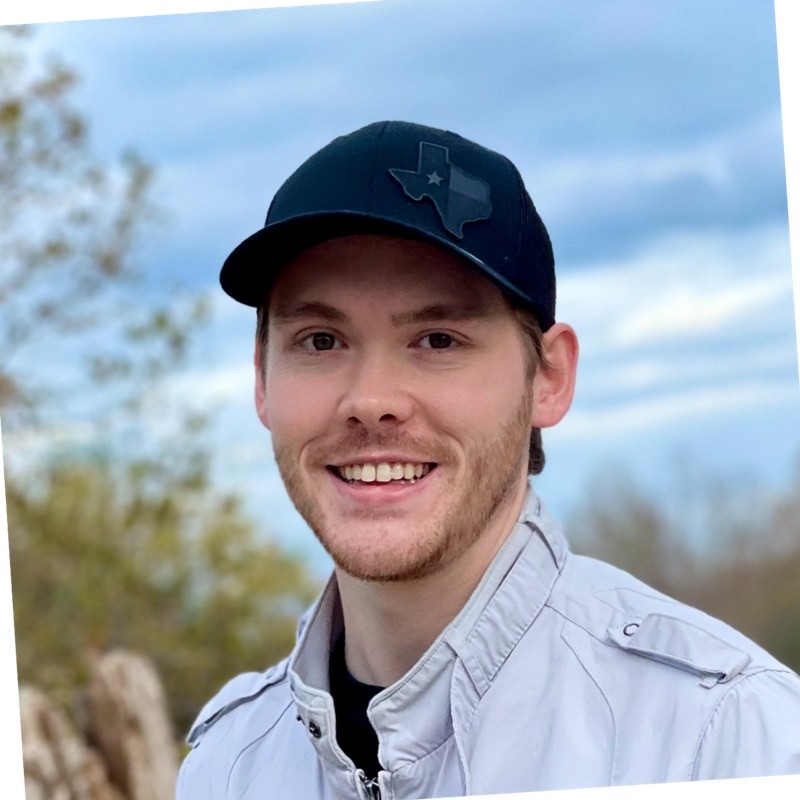
Hello, my name is Robert S.W. Carroll (robswc). I'm a full-stack developer with a focus on backend, based in Austin, Texas. I'm currently working on creating resources for quantitative trading and developing software at Buildaible, Polyad Decision Sciences and (previously) Synctivate. I enjoy all things computer science and hope to eventually push the boundaries within the field.

Buildaible
Lead engineer at Buildaible, an AI-focused startup. Working closely with the founders to build the product from the ground up. I built out the infrastructure using managed Kubernetes (K8s) and ensured deployment was smooth with GitHub actions and ArgoCD (and other conventional CI/CD tools). I designed the backend and initial frontend of the platform, using Django and NextJS.
The team eventually grew to 5+ engineers, so we explored a strong ownership model, allowing engineers to own end-to-end delivery, resulting in significantly faster iteration and feature shipping. The core of my day-to-day is building the product (designing and programming).

Polyad
I'm an independent contributor with Polyad Decision Sciences LLC., a Virginia-based company focusing on solving hard problems.
I work closly with the founder, Dr. Chris Garcia, to design intuitive software that lets users leverage complex algorithms developed by the data science team. Unique challenges included deploying models and managing platform migrations.

Synctivate
While at Synctivate I got to work on countless interesting projects. It was a great learning opportunity, as each client and project had unique challenges requiring different tools. I also met many great people and enjoyed my time there. Synctivate is a place where I managed to build a much stronger understanding of Python.

University of Mary Washington
I graduated with a Bachelors in Computer Science, from the University of Mary Washington. During my time there, I was VP of the ACM club and won 1st place in the annual Hackathon, sponsored by the CS department.
I also contributed to undergraduate research on agent-based opinion dynamics, working to model how social network density and agent openness drive societal polarization. In collaboration with Professor Stephen Davies and peers, this work produced a co-authored conference paper presented at the 2021 Computational Social Science Society of the Americas conference.
Projects
These are things I've built (or contributed to) over the years :)
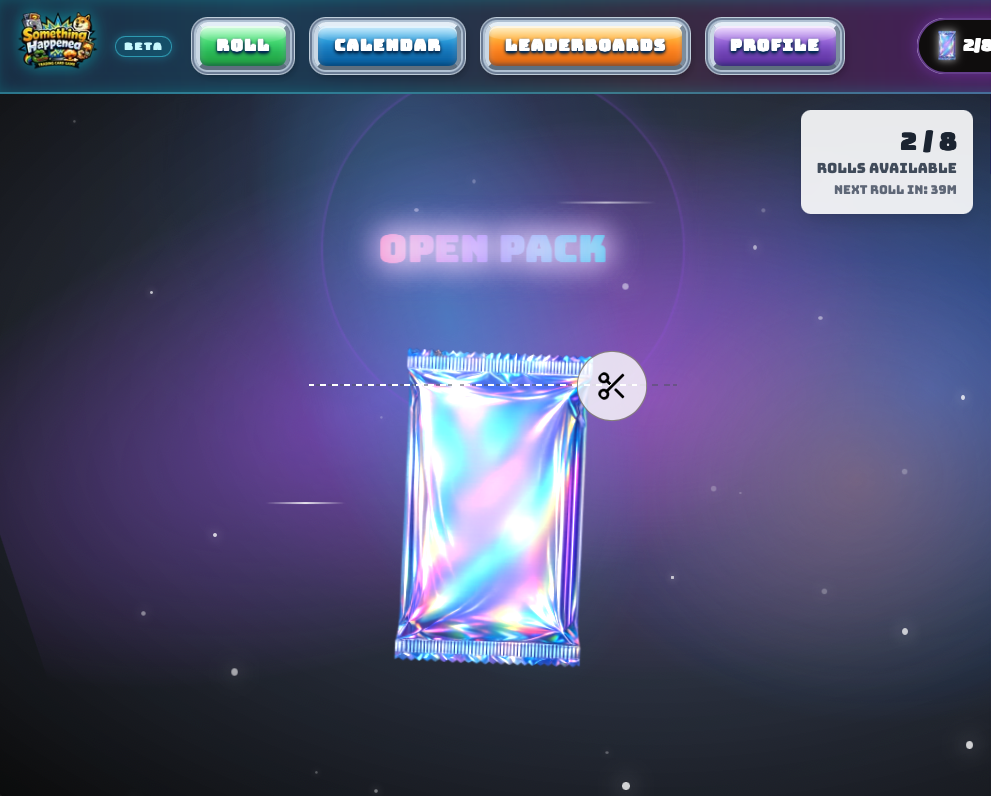
Trading Card Game
A full-stack web app that lets users collect and trade digital cards, generated from current events. Backend in Django, frontend in React/NextJS, using K8s and Docker for deployment, keeping CI/CD smooth.
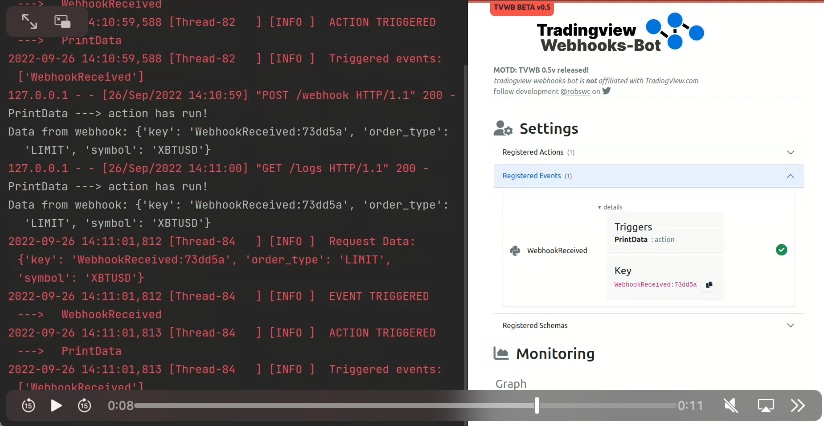
Tradingview Webhooks Bot
Open source framework that lets users create managed trading bots, using Tradingview webhooks as triggers. It is built using Python w/FastAPI and has over 700 stars on GitHub, helped hundreds of users automate their strategies.
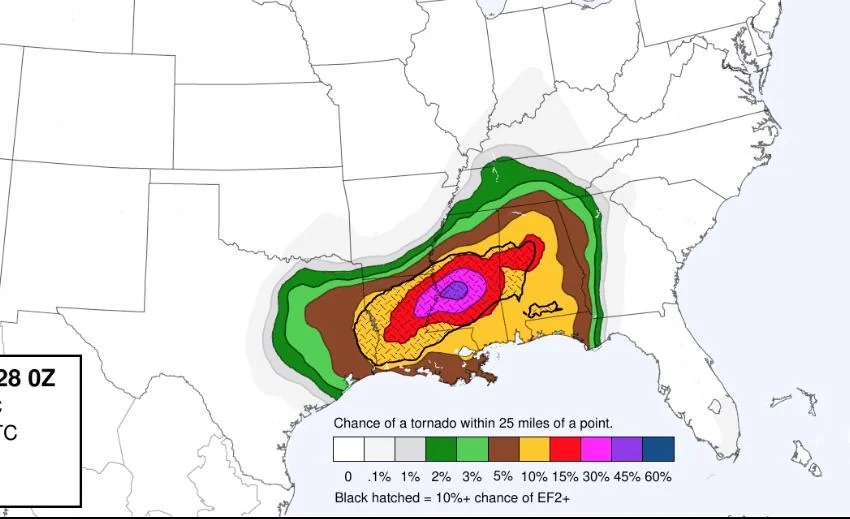
Nadocast UI
An unofficial (but w/the creators blessing!) user interface for the nadocast project. Took data and broke down/displayed forecasted probability of a tornado in a particular zip/area code.
Stratis
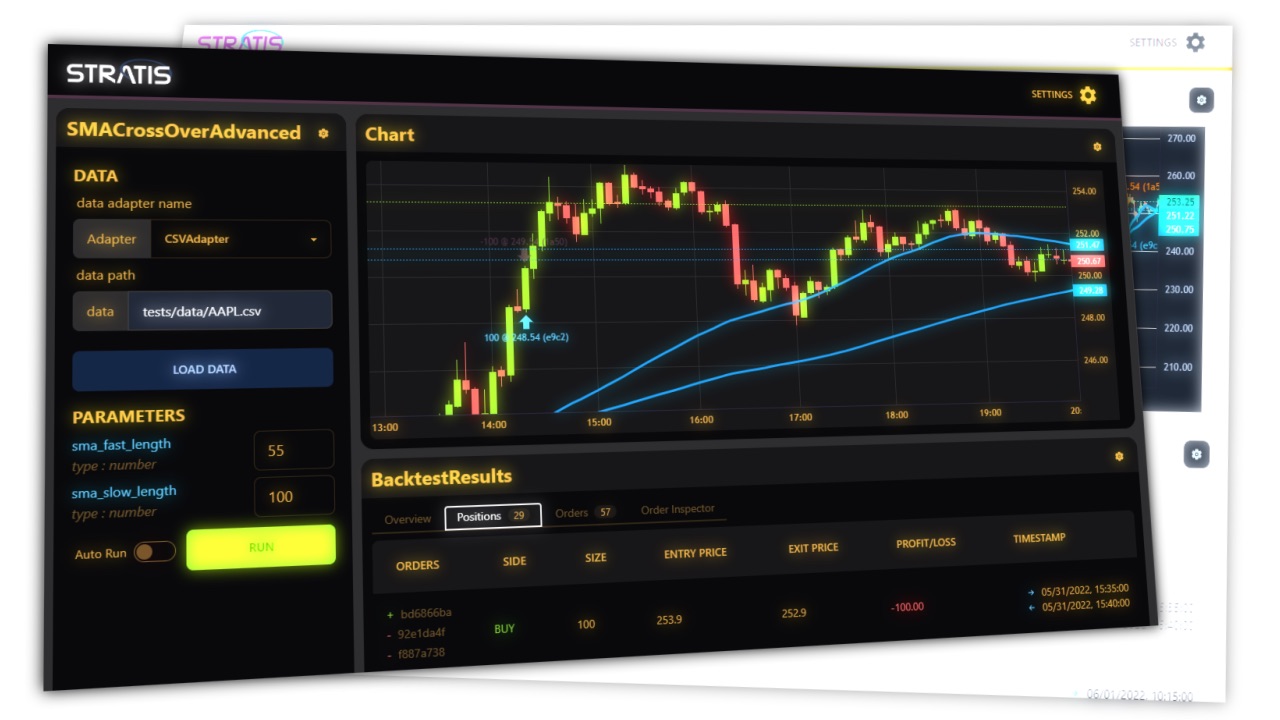
A Python-based framework for developing and testing strategies, inspired by the simplicity of tradingview's Pinescript but with the power and library access of python. Core built in python, using typescript for visualization.
QJAC
Unofficial Quickbase JSON API wrapper for python. Provides a simple ORM for querying and inserting records. Simplified authentication and complex API interactions, similar to the way Django works... but for Quickbase!
Publications
- Mittereder, J., Carroll, R. S., Frulla, B., & Davies, S. (2022). Exploring the impact of social network density and agent openness on societal polarization. In Z. Yang & E. von Briesen (Eds.), Proceedings of the 2021 Conference of The Computational Social Science Society of the Americas (pp. 71–84).
I did a short write up on this paper, on my blog. You can read it here.
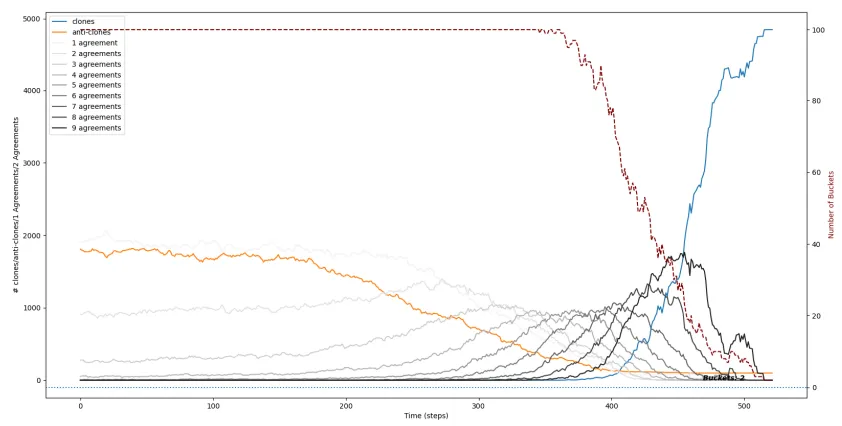
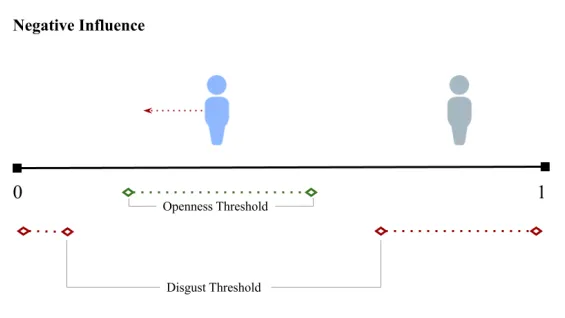
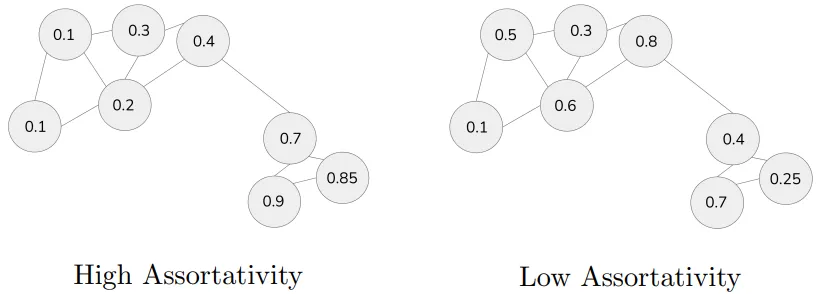
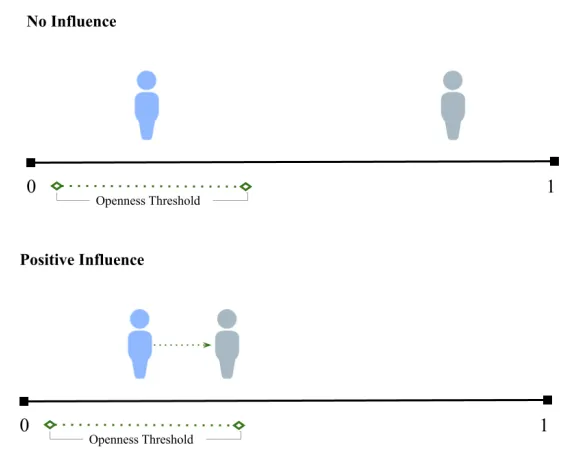
The TL;DR is that we used agent-based modeling to explore how the structure of social networks and the openness of agents to new info can influence polarization.The agent-based model shows that higher social network density (more connections) unexpectedly reduces polarization: it lowers assortativity (less echo-chamber formation) and sharply decreases persistent opinion clusters (disagreements), with a tipping point where small density increases promote consensus. Lower agent openness to differing views increases opinion clustering (more polarized issues without consensus) and exhibits a steep tipping point where slight openness gains lead to greater uniformity.